The Nature-Inspired Font Perfect for Elegant Branding
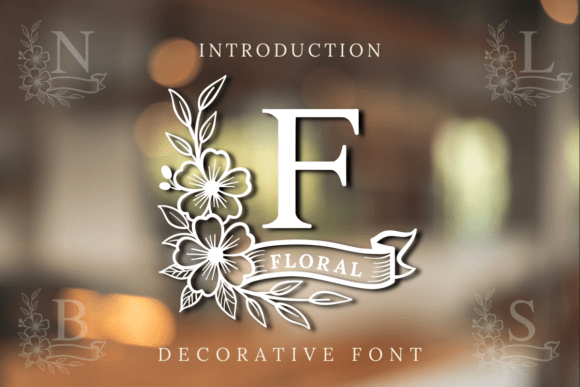
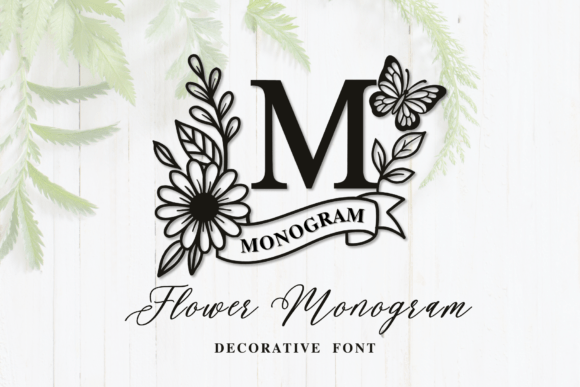
Finding a typeface that feels both personal and polished can be a real challenge. You want something with personality, a font that tells a story before the first word is even read. For projects that call for a touch of organic elegance and whimsical charm, a decorative serif like the Flower Monogram font offers a unique solution. This typeface combines classic, readable letterforms with delicate daisy flowers, butterflies, and ribbon ornaments, creating a visual language that’s perfect for designs aiming to feel both sophisticated and warmly inviting. It’s more than just a collection of letters; it’s a complete design asset that brings a cohesive, nature-inspired aesthetic to your work.
A Typeface with Built-In Character and Decorative Flair
What immediately sets this font apart is its integrated design elements. The serif structure of each letter provides a solid, readable foundation, while the floral and botanical accents add layers of detail that would typically require separate illustrations or design work. Imagine a wedding invitation where the couple’s initials are framed by delicate daisies, or a boutique logo where the brand name is adorned with subtle butterfly motifs. This built-in ornamentation saves time and ensures visual harmony. The decorative characters aren’t an afterthought; they’re woven into the font’s DNA, making it a powerful creative font for anyone looking to add instant charm to their projects.
The visual appeal lies in its balance. It doesn’t sacrifice readability for style. The serifs guide the eye along a line of text, making it suitable for short headings, monograms, and display text. The floral elements are typically featured in the uppercase letters and specific alternate characters, allowing you to control the level of ornamentation. This makes it versatile—you can use the fully decorated version for a statement piece or pair the standard serif with other typefaces for a more subtle effect. It’s this flexibility that makes it a valuable addition to a designer’s toolkit.
Practical Applications for Designers and Entrepreneurs
This font’s personality makes it a natural fit for projects in the wedding and event industry. Think beyond just invitations; it’s ideal for creating cohesive suites that include save-the-dates, menu cards, place settings, and thank you notes. The monogram feature is particularly useful for creating personalized logos for couples or small businesses in the floral, beauty, or lifestyle sectors. A small business owner crafting handmade soaps or candles could use a Flower Monogram initial on their packaging to instantly convey a artisanal, nature-focused brand identity.
For digital creators and marketers, this typeface brings a distinct flavor to social media graphics. A series of Instagram posts or Pinterest pins using this font can create a recognizable and aesthetically pleasing feed. It’s perfect for quotes, announcements, or product highlights where you want to stop the scroll with something beautiful. On a website or blog, it can be used sparingly for section headers or featured titles to inject personality without overwhelming the reader. The key is using it as a display font for impact, paired with a clean sans-serif or simple serif for body copy to maintain readability.
The applications extend into physical products and merchandise as well. Think of the branding on a boutique gift box, the title on a poster for a garden party, or the cover of a specialized planner or journal. For crafters using machines like Cricut or Silhouette, this font is a dream for creating custom decals, heat transfers for apparel, and intricate paper crafts. Its clear, defined edges make it excellent for cutting, ensuring your designs come out crisp and professional. It’s a premium font that bridges the gap between digital design and tangible, crafted goods.
Integrating this Style into Your Brand Identity
Choosing a font is a strategic decision that affects how your audience perceives you. The Flower Monogram font communicates specific values: elegance, attention to detail, creativity, and a connection to nature. It’s an excellent choice for a brand that wants to feel approachable yet refined, classic but not stuffy. When building a brand identity, consistency is crucial. Using this typeface across your logo, website headers, social media templates, and print materials creates a unified visual language that strengthens brand recognition.
However, readability must always come first. This is where thoughtful font pairing becomes essential. Because the Flower Monogram is a detailed serif font with ornamental features, it’s best used for headlines, logos, and short callouts. For longer blocks of text, you’ll want to pair it with a highly legible typeface. A simple sans serif font like Montserrat or Lato creates a modern contrast. Alternatively, pairing it with a clean, transitional serif like Lora or Source Serif Pro can maintain a classic feel while improving readability. Always test your pairings in context—see how they look on a mock-up of your website, a draft of your brochure, or a sample social media post.
Before committing to a font for commercial use, it’s wise to review its full character set. Check what alternates, ligatures, and swashes are included. See how the numbers and punctuation look. For any commercial project, from client work to selling merchandise, you must ensure the font’s license permits that use. Most reputable font marketplaces clearly state the licensing terms—whether it’s for personal projects, a single commercial project, or unlimited commercial use. Understanding this upfront prevents legal headaches later and is a mark of a professional designer or business owner.
From Concept to Final Design: Making It Work
The best way to see if a font works for your vision is to experiment with it. Create a mood board that includes your color palette, imagery, and other design elements. Then, test the font in different scenarios. How does it look at a large size on a poster versus a small size on a business card? Does the ornamentation read well when printed on textured paper? For digital use, check its rendering on different screen sizes. This hands-on testing is where you move from appreciating a font in theory to understanding its real-world application.
Consider the overall composition of your design. The floral and butterfly details in the Flower Monogram are strong visual elements. They provide a natural focal point. Use that to your advantage in your editorial design or packaging design. Let a decorated monogram be the hero of your layout, supported by simpler typography and ample white space. This prevents the design from feeling cluttered and allows the font’s unique beauty to shine. In marketing assets, use it to highlight a key message or a call-to-action, making that element stand out from the rest of the information.
Ultimately, a font like this is a tool for storytelling. It allows a small business owner to infuse their brand with a specific mood without needing a custom illustration for every application. It gives a content creator a way to make their digital presence feel more curated and intentional. By understanding its strengths—its decorative nature, its serif foundation, and its built-in ornamental characters—you can use it strategically to elevate your projects, connect with your audience on an aesthetic level, and create designs that are both beautiful and effective. The right typography doesn’t just present information; it shapes the entire experience of your brand or creative work.