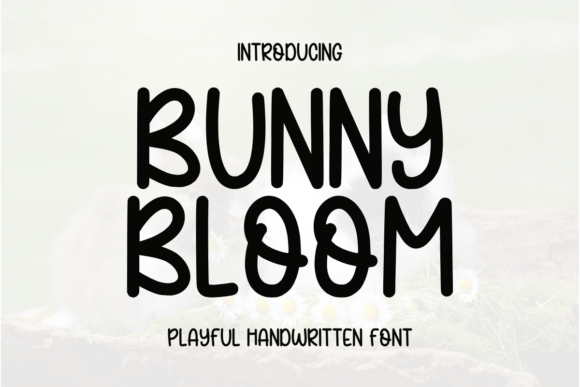
Bunny Bloom: The Handwritten Font That Feels Like a Friendly Hug
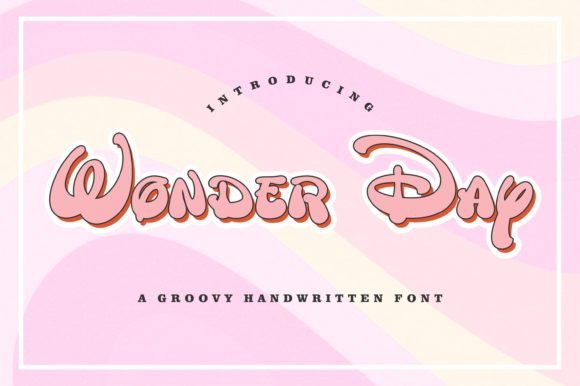
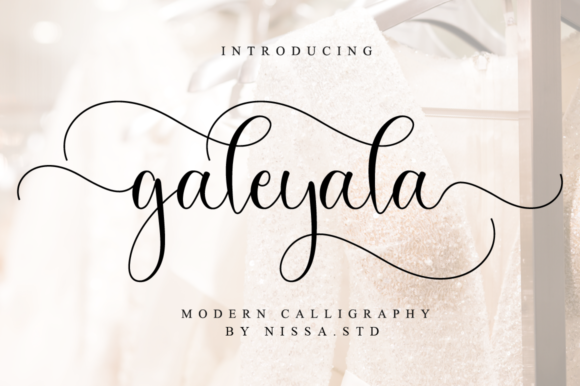
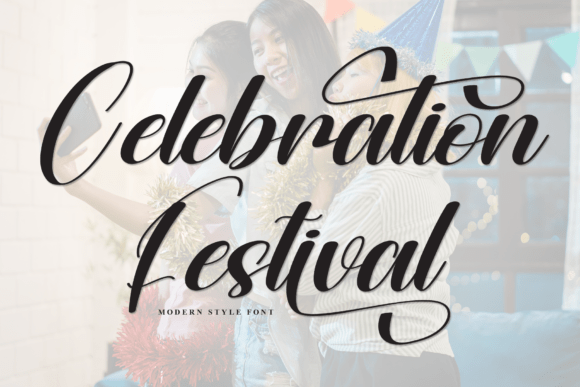
There's something instantly comforting about handwriting. It carries personality, warmth, and a human touch that crisp, digital fonts sometimes miss. That's the magic a playful handwritten font like Bunny Bloom brings to your projects. It's not just a typeface; it's an invitation to smile. With its bouncy, friendly letterforms, it feels like a note passed between friends or a cheerful message on a birthday card. For crafters, designers, and makers, this kind of visual personality is pure gold, especially when you want your work to feel approachable, joyful, and authentically you.
More Than Just Cute: The Strategic Use of a Playful Typeface
While Bunny Bloom's charm is undeniable, its real power lies in its versatility. Thinking of it as merely a "cute font" sells it short. A skilled designer or brand strategist sees a tool for targeted communication. Its handwritten style excels at breaking down barriers, making a brand feel less corporate and more like a trusted friend. This is crucial for small business owners, entrepreneurs, and content creators who need to build genuine connections with their audience. Whether you're designing a logo for a local bakery, creating social media graphics for a lifestyle blog, or packaging handmade soaps, this font injects personality into every pixel and every print.
Consider its role in brand identity. A consistent visual language builds recognition. If your brand's voice is warm, encouraging, and a little playful, using a premium font like Bunny Bloom across your marketing assets—from your website headers to your email signatures—reinforces that message. It becomes a visual shorthand for your brand's personality. Pair it thoughtfully with a clean sans-serif font for body text, and you achieve a balance of whimsy and readability. This font pairing strategy ensures your materials are both eye-catching and professional, a key goal in effective logo design and packaging design.
From Digital Screens to Physical Crafts: Real-World Applications
The true test of a creative font is how it performs across different mediums. Bunny Bloom shines in both digital and physical realms, making it a valuable asset in any designer's toolkit. Its friendly curves and legible style translate beautifully from a computer screen to a printed page or a crafted item.
For digital projects, it's a standout choice for:
- Social Media Graphics: Create engaging Instagram stories, Pinterest pins, and Facebook posts that stop the scroll. Its playful nature is perfect for quotes, announcements, and calls to action.
- Website and Blog Design: Use it for impactful headings, pull quotes, or special feature sections to add visual interest and guide the reader's eye.
- Digital Products and Marketing Assets: Design compelling e-book covers, worksheet titles, or online course materials that feel inviting and user-friendly.
In the physical world, its applications are equally exciting, especially for the crafting community. It's a dream for projects requiring a personal touch:
- Invitations and Greeting Cards: Whether it's a wedding, baby shower, or just a "thinking of you" note, this handwritten font sets a joyful, personal tone.
- Planners and Journals: Add a custom, handcrafted feel to your KDP interiors or personal planner pages.
- Stickers and Labels: Perfect for creating adorable planner stickers, product labels for small businesses, or fun decals.
- Cricut and Sublimation Projects: Its clear, connected strokes (in script styles) and distinct letterforms cut and transfer cleanly, making it ideal for custom t-shirts, mugs, tote bags, and home décor.
Practical Tips for Working with a Handwritten Font
Embracing a font with this much personality requires a thoughtful approach. Here’s how to use it effectively without overwhelming your design.
Pairing is Everything: Bunny Bloom is a display font, meaning it's designed for impact in headlines and short bursts of text. It shouldn't be used for long paragraphs. The key is to pair it with a highly readable serif or sans-serif font. A simple, geometric sans-serif creates a modern contrast, while a classic serif can offer a more elegant balance. Always test your font pairings in context to ensure harmony.
Mind the Readability: While charming, some handwritten fonts can sacrifice legibility at smaller sizes. Always check how Bunny Bloom looks at the size you intend to use. For body text or critical information, stick to your paired, more neutral font. Use Bunny Bloom for the elements that need to convey emotion and personality.
Explore the Included Styles: A good premium font often comes with more than one style. Bunny Bloom may include all-caps versions, alternate characters, or ligatures that allow for more natural-looking connections between letters. Exploring these options can add variety and authenticity to your designs, preventing the text from looking repetitive.
Understand Commercial Licensing: This is a non-negotiable step for any professional use. Before using Bunny Bloom (or any font) for a client project, merchandise for sale, or widespread marketing, carefully review the license. Most commercial fonts require a specific license for different types of use. Ensuring you have the right license protects you legally and supports the typeface designers who create these valuable design assets.
Choosing the Right Font for Your Project's Goal
Ultimately, the choice of typography should serve your project's objective. Are you trying to educate? A clean sans-serif is often best. Are you conveying luxury? An elegant serif might be the answer. But when your goal is to connect on a human level—to evoke joy, nostalgia, or friendly encouragement—a handwritten font like Bunny Bloom is an exceptionally powerful tool. It helps you tell a visual story that resonates, making your brand, your craft, or your creative project memorable for all the right reasons.